Explore the latest trends and discussions in artificial intelligence with WhatsGPT.
Discover how charging technology transformed from basic to breakthrough! Uncover the innovations fueling our digital age.
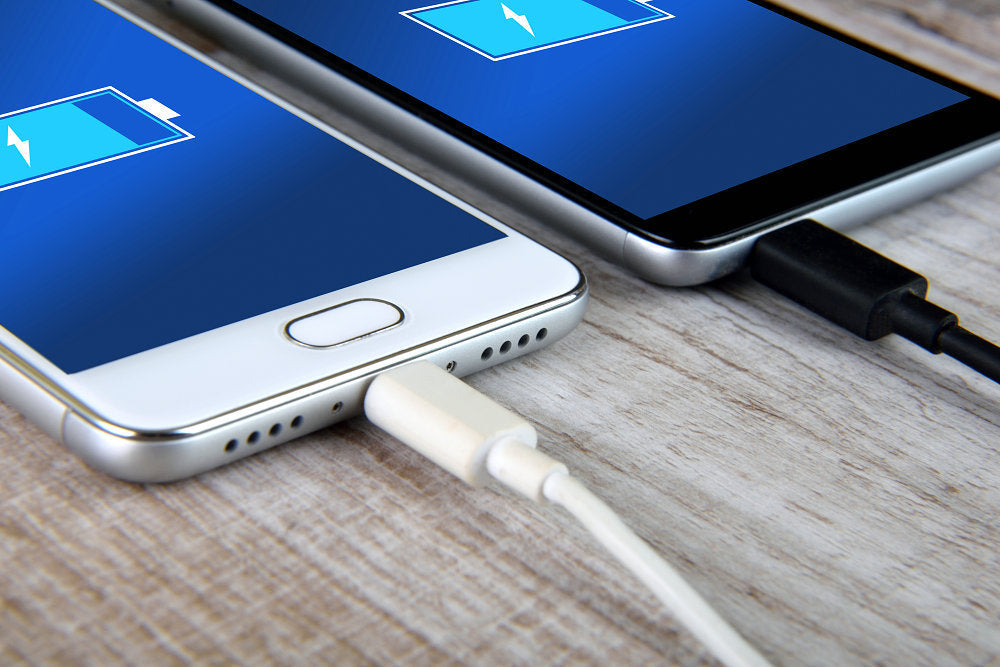
The evolution of charging technology has been nothing short of remarkable, transitioning from simplistic plug-in methods to the sophisticated wireless power solutions we see today. Initially, the need for battery-powered devices necessitated cords and connectors that tethered users to power sources. This reliance on wires limited mobility and convenience, making charging a cumbersome aspect of daily life. As technology advanced, innovations like USB and quick-charge capabilities streamlined the process, allowing for faster energy transfers and more reliable connections.
However, the real game-changer came with the advent of wireless charging technologies such as Qi. Utilizing principles of electromagnetic induction, these systems enable devices to recharge simply by placing them on a charging pad, eliminating the need for cables altogether. Today, we are witnessing further advancements in wireless power technologies, including long-range charging solutions and integration into public spaces, paving the way for a future where charging can occur seamlessly, much like how we use Wi-Fi for internet access.

Counter-Strike is a highly competitive first-person shooter game that has gained immense popularity since its inception. Players can join either the terrorist or counter-terrorist team, engaging in tactical gameplay that requires teamwork and strategy. To enhance your gaming setup, you might also want to check out the Top 10 iPhone accessories for business, which can optimize your overall experience while gaming or working.
The evolution of charging technology has been marked by several key milestones that have shaped how we power our devices today. One of the earliest advancements occurred with the introduction of the AC charging standard in the late 19th century, which enabled efficient power distribution across long distances. This was followed by the development of DC charging technology, allowing for faster charging of batteries and paving the way for more portable electronic devices. As we moved into the 21st century, the advent of wireless charging technology began to take shape, providing users with a convenient way to charge their devices without the hassle of cables.
Another significant milestone in charging technology is the emergence of fast-charging solutions, which started gaining popularity in the mid-2010s. These systems allowed users to achieve a substantial battery recharge in a fraction of the time, greatly enhancing user experience. Additionally, advancements in battery management systems have played a crucial role in prolonging battery life and improving safety during the charging process. Lastly, the push for universal charging standards has sought to streamline charging capabilities across different devices, making it easier for consumers to use a single charger for multiple products. Together, these milestones highlight the rapid advancements in charging technology, continuously improving efficiency and user convenience.
As the demand for electric vehicles (EVs) continues to rise, so does the need for charging technology that can keep pace with innovation. One of the most exciting trends to watch is the development of ultra-fast charging stations, which can significantly reduce charging times. In some cases, these stations are expected to power an EV to 80% in under 15 minutes, making long-distance travel a more viable option for electric vehicle owners. Additionally, the integration of renewable energy sources into charging stations is gaining traction, enabling a more sustainable approach to vehicle charging and reducing the carbon footprint associated with fossil fuel-derived electricity.
Another crucial innovation to keep an eye on is the advancement in wireless charging technology. This method promises unparalleled convenience by allowing EVs to charge simply by parking over a charging pad, eliminating the need for physical connectors. According to recent studies, wireless charging technology is expected to become mainstream within the next five years, paving the way for a more user-friendly experience. Furthermore, the implementation of smart charging solutions, driven by Internet of Things (IoT) technologies, is revolutionizing how we think about energy management, enabling more efficient energy distribution and optimizing charging based on grid demand and user preferences.