Explore the latest trends and discussions in artificial intelligence with WhatsGPT.
Discover how light influences your emotions and mood! Uncover the science behind lighting and transform your emotional wellbeing today!
The interplay between light and emotion is a fascinating area of study that uncovers how different types of lighting can significantly influence our mood and psychological state. For example, exposure to natural light has been shown to enhance mood and boost productivity. Studies indicate that environments filled with natural light lead to increased serotonin levels, which help in promoting a sense of well-being and happiness. Conversely, inadequate lighting, such as harsh fluorescent lights, can create a sense of discomfort and anxiety, making us feel irritable and fatigued. Therefore, understanding the different types of lighting can empower us to curate our surroundings for a more uplifting atmosphere.
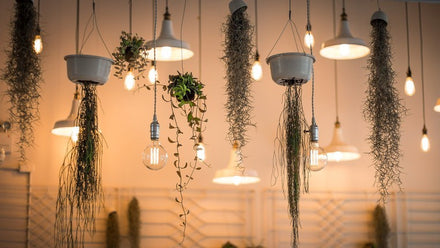
Moreover, the color temperature of light plays a crucial role in modulating our emotions. Warm lights, typically in the range of 2700K to 3000K, can create a cozy and inviting environment, making us feel relaxed and comfortable. On the other hand, cool lighting, which often exceeds 5000K, tends to stimulate alertness and focus but may also cause feelings of harshness or tension. This understanding of lighting and its emotional effects is essential, especially in spaces like homes, offices, and therapy rooms, where the right choice of illumination can enhance overall well-being. By taking into account the science of light, we can harness its power to improve our daily experiences.

Counter-Strike is a popular tactical first-person shooter that has captivated gamers worldwide since its release. The game emphasizes teamwork, strategy, and skill, bringing together players to engage in intense combat scenarios. For those looking to enhance their gaming experience, check out the Top 10 Phone Accessories for YouTube to discover useful gadgets. With its competitive gameplay and ever-evolving maps, Counter-Strike remains a staple in the esports community.
Natural light has a profound impact on our emotional well-being. Exposure to sunlight increases the production of serotonin in the brain, a neurotransmitter that contributes to feelings of happiness and tranquility. Studies have shown that environments infused with natural light can significantly elevate mood and reduce feelings of anxiety and depression. By allowing sunlight to flood our living and working spaces, we create a more inviting atmosphere that fosters creativity and positivity.
Incorporating natural light into our daily routine can also help regulate our circadian rhythms, which are crucial for maintaining a healthy sleep cycle. Better sleep leads to improved focus and productivity during the day, further enhancing our emotional health. Simple actions like opening curtains, rearranging furniture to allow more light, or choosing workspaces with large windows can make a big difference. Consider these small changes to harness the emotional benefits of natural light and truly brighten your day!
When it comes to enhancing productivity and overall well-being in the workplace, the right lighting plays a crucial role. Proper lighting can significantly influence your mood, energy levels, and even your ability to concentrate. Natural light is often cited as the most beneficial, as it helps regulate our circadian rhythms and boosts vitamin D levels. In contrast, harsh fluorescent lights can lead to fatigue and eye strain. By incorporating various lighting solutions, such as desk lamps, ambient lighting, and daylight bulbs, you can create a more inviting and functional workspace.
Moreover, the color temperature of your lights can impact your productivity and creativity. Warmer tones (around 2700K to 3000K) are ideal for relaxation and casual workspaces, while cooler tones (5000K and above) are better suited for tasks requiring focus and attention to detail. Consider adding dimmers or smart lighting systems, which allow you to adjust brightness levels according to the time of day and specific tasks. Implementing these strategies can transform your workspace into a haven of productivity, making a noticeable difference in your work output and satisfaction.