Explore the latest trends and discussions in artificial intelligence with WhatsGPT.
Discover the power of MagSafe connectivity! Unlock the magic behind seamless tech integration and find out why it's the trend you can't ignore.
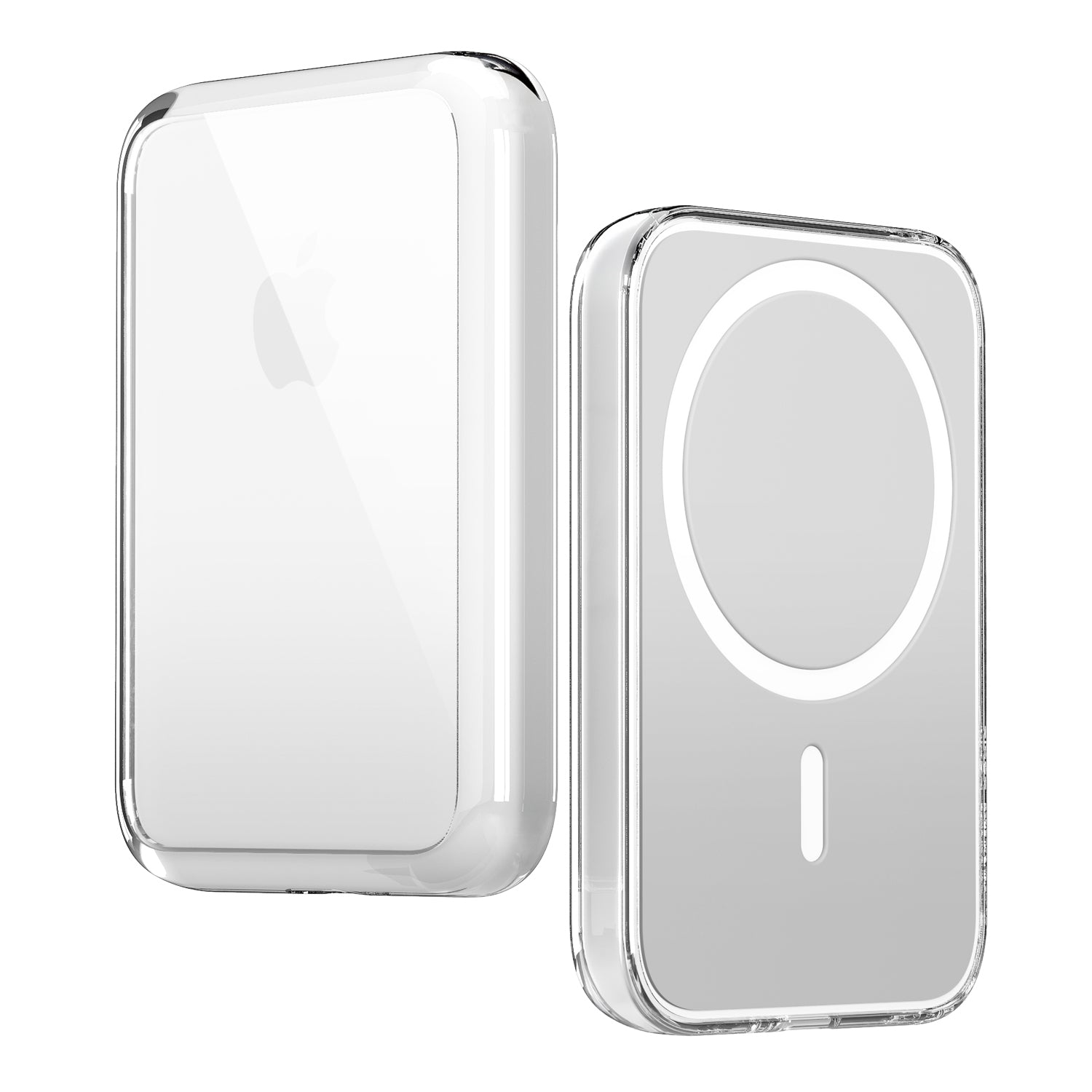
The future of charging is set to experience a seismic shift with the introduction of MagSafe technology, initially designed for Apple devices. Unlike traditional charging methods, MagSafe uses a series of magnets that align perfectly with the device, ensuring a quick and reliable connection. This innovative approach not only enhances charging efficiency but also paves the way for a new era of accessories that can connect seamlessly, transforming our everyday experience with technology.
As we look forward to advancements in connectivity, the implications of MagSafe extend beyond just faster charging. It opens avenues for smart accessories that can attach magnetically, simplifying the user experience and eliminating the hassle of tangled wires. In the coming years, we can expect to see various devices adopting this technology, potentially revolutionizing how we interact with our gadgets and making everyday tasks more efficient and enjoyable.

Counter-Strike is a highly popular tactical first-person shooter that has shaped the gaming landscape since its initial release. Players engage in team-based combat, where they can choose to play as terrorists or counter-terrorists, each with unique objectives. For those looking to protect their devices while gaming on the go, check out the Top 10 iPhone 17 Pro cases that offer both style and protection. The game's competitive scene has fostered a dedicated community, hosting numerous tournaments and creating professional teams worldwide.
The debate between MagSafe and traditional chargers is a hot topic among tech enthusiasts and casual users alike. At its core, MagSafe technology, introduced by Apple, relies on magnets to align perfectly with the device's charging port, providing a seamless connection that reduces wear and tear. Unlike traditional chargers that rely on physical plugging and unplugging, MagSafe not only simplifies the charging process but also helps in preventing accidental disconnections. This has practical benefits, especially for users on the go, who may find themselves frequently connecting and disconnecting their chargers.
In contrast, traditional chargers utilize a direct cable connection, which can lead to issues like frayed wires and damaged ports over time. While they may be more universally compatible with a range of devices, they lack the innovative features of MagSafe, such as charging alignment and snap-on convenience. Furthermore, MagSafe chargers can support higher power outputs due to their modern design, making them a more efficient choice for fast charging. Overall, the decision between MagSafe and traditional chargers often comes down to user preference, highlighting the evolving nature of charging technology.
When considering whether MagSafe is worth it, it's essential to explore the various benefits it offers. One of the primary advantages is the convenience of magnetic connectivity, allowing users to easily attach and detach their chargers without fumbling with cables. This simple yet innovative design minimizes wear and tear on ports, ensuring a longer lifespan for your devices. Furthermore, MagSafe accessories, such as cases and wallets, can enhance your overall user experience by providing seamless integration with your device, making it easier to keep everything organized.
However, while there are numerous advantages, there are also some noticeable drawbacks to using MagSafe. One primary concern is the potential for reduced charging speeds compared to traditional wired connections. Additionally, not all accessories are compatible with MagSafe, which can lead to frustrating compatibility issues for users looking to invest in a broader range of products. Ultimately, whether MagSafe is worth it depends on personal preferences and how much value you place on the convenience of magnetic connectivity versus the potential limitations.