Explore the latest trends and discussions in artificial intelligence with WhatsGPT.
Discover the shocking science of wireless charging! Uncover how it works and why it’s changing the way we power our devices forever.
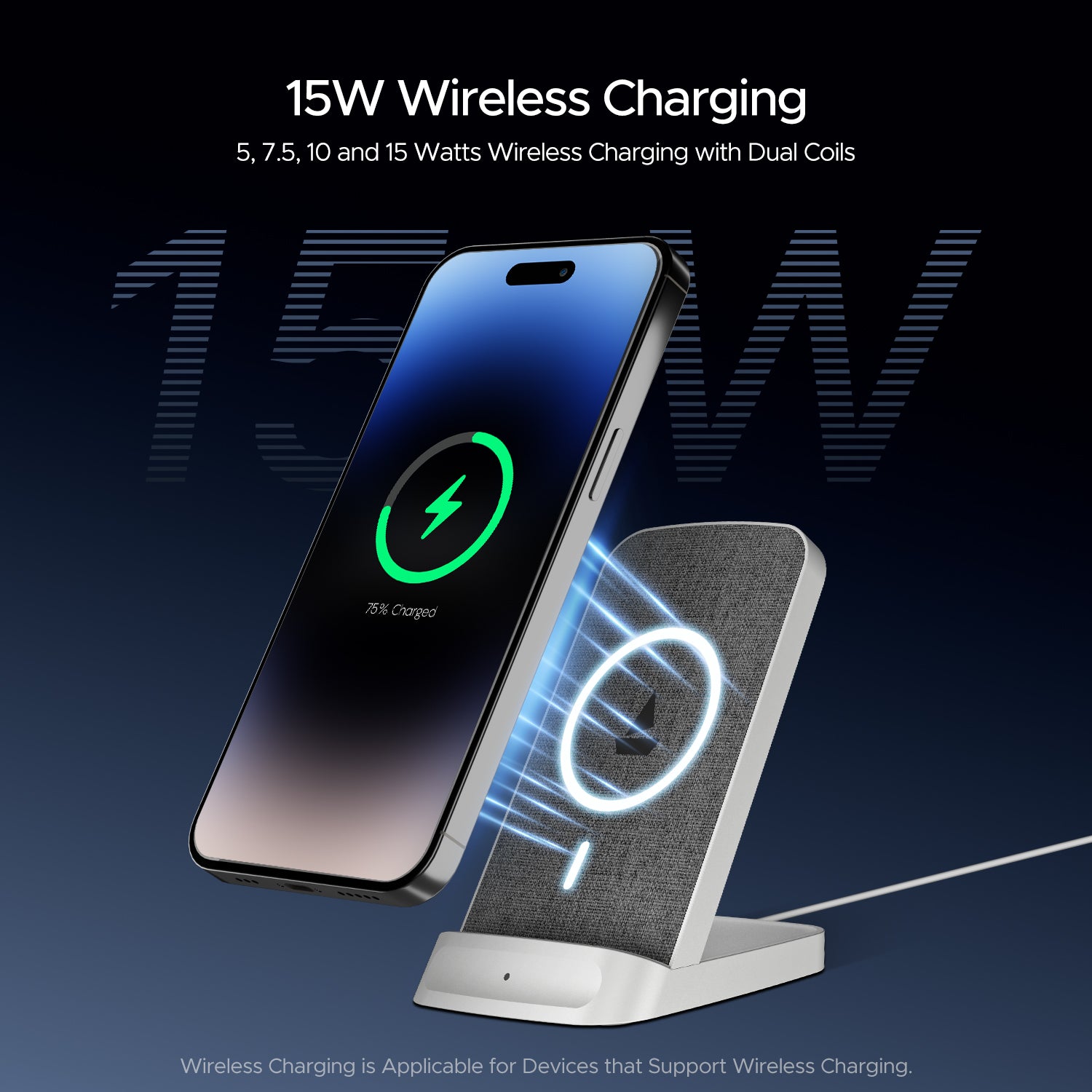
Wireless charging, also known as inductive charging, utilizes electromagnetic fields to transfer energy between a charging base and a compatible device without the need for physical connectors. The technology primarily relies on two components: a transmitter coil located in the charging pad and a receiver coil within the device to be charged. When the charger is plugged in, alternating current (AC) is sent to the transmitter coil, creating a magnetic field. This magnetic field induces an electric current in the receiver coil when closely aligned, effectively charging the device's battery.
The convenience of wireless charging is evident in its user-friendly design, allowing for easy placement and removal of devices without fussing over cords. However, it's important to note that while wireless charging offers convenience, it may not always be as efficient as traditional wired charging methods. Factors like alignment of the devices, the distance between the coils, and the power output of the charging pad can significantly impact charging speed. As technology advances, improvements in efficiency and charging speeds are continuously being made, making wireless charging an increasingly popular choice for consumers.

Counter-Strike is a highly popular multiplayer first-person shooter game that has defined the esports landscape. Players can choose between two teams: terrorists and counter-terrorists, aiming to complete objectives such as bomb defusal or hostage rescue. For those looking to enhance their gaming experience, check out the Top 10 magsafe power banks that can help keep your devices charged during long gaming sessions.
Wireless charging, underpinned by the principles of induction, represents a transformative shift in how we power our devices. At its core, induction involves the generation of an electromagnetic field between two coils: the transmitter and the receiver. This technology eliminates the need for physical connectors, allowing devices to charge simply by being placed on a charging pad. As more gadgets, from smartphones to electric vehicles, adopt this technology, the convenience and safety it offers will make wireless charging the go-to solution for powering our everyday tech.
The benefits of wireless charging extend beyond convenience; they also contribute to longevity and efficiency. Without the wear and tear associated with plugging and unplugging cables, devices can enjoy a longer lifespan. Additionally, wireless charging systems can be more energy-efficient, with innovations reducing wasted energy during the transfer process. As the technology matures and becomes more widespread, we can expect to see advances like faster charging rates and improved design integration in various products, solidifying induction charging as a cornerstone of the modern power landscape.
Wireless charging has gained significant popularity due to its convenience, but many people still wonder, is wireless charging safe? There are several common myths surrounding this technology that need debunking. For instance, some believe that wireless charging can cause overheating, which may damage their devices. In reality, most modern wireless chargers are equipped with safety features such as temperature control and automatic shut-off mechanisms to prevent overheating. Additionally, the materials used in these chargers are designed to efficiently conduct power without generating excessive heat, ensuring a safe charging experience.
Another concern revolves around the potential effects of electromagnetic fields (EMF) emitted by wireless chargers. Many users fear that prolonged exposure could be harmful to their health. However, studies conducted by regulatory bodies and health organizations indicate that the EMF levels produced by wireless charging are well within safe limits, comparable to those emitted by other everyday electronic devices like cell phones and Wi-Fi routers. To further alleviate concerns about wireless charging, it’s essential to choose reputable products that comply with international safety standards.