Explore the latest trends and discussions in artificial intelligence with WhatsGPT.
Discover how wireless charging is revolutionizing our gadgets and why it's the future of power. Don't miss out on this tech game-changer!
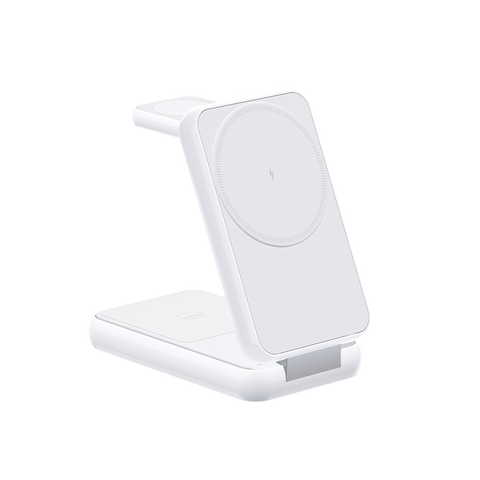
Wireless charging is a technology that allows electronic devices to be charged without the need for physical connectors. The science behind it is rooted in electromagnetic induction, which involves the generation of a magnetic field to transfer energy between two coils: a transmitter coil in the charging pad and a receiver coil in the device being charged. When the device is placed on the charging pad, alternating current (AC) flows through the transmitter coil, creating an electromagnetic field around it. This field then induces a voltage in the receiver coil, converting it back into direct current (DC) to charge the device's battery.
There are several important factors to consider when using wireless charging. Firstly, ensure that both your device and the charging pad support the same wireless charging standard, such as Qi, which is widely adopted in smartphones and other gadgets. Secondly, it's crucial to maintain proper alignment between the device and the charging pad, as misalignment can lead to inefficient energy transfer and longer charging times. Lastly, be aware that wireless charging may generate more heat compared to traditional charging methods, so it’s advisable to use designated charging pads to optimize performance and ensure safety.

Counter-Strike is a highly popular first-person shooter game that has shaped the esports landscape since its release in 1999. Players join either the terrorist or counter-terrorist team, engaging in tactical gameplay to complete objectives or eliminate the opposing team. For those looking to enhance their gaming experience, check out the Top 10 Thin Silicone Cases for AirPods to keep their devices protected during intense gaming sessions.
As technology continues to evolve, the demand for convenience and efficiency has led many manufacturers to explore wireless charging technology. In the coming years, we can expect to see a range of gadgets adopting this innovative feature, reshaping the way we power our devices. Here are 10 gadgets that are likely to embrace this trend:
Each of these devices will benefit from wireless charging technology, allowing users to recharge their gadgets without the hassle of tangled cords. For example, the integration of this technology into portable power banks could revolutionize how we keep our devices powered while on the go. Similarly, smart home devices like smart speakers and sensors will enhance user experiences by simplifying charging processes, ultimately leading to a more seamless lifestyle. With the rapid development of this technology, the future looks bright for wireless charging.
The rapid advancements in technology have sparked a debate on whether wireless charging will eventually replace traditional charging methods. With the increasing prevalence of smartphones, smartwatches, and wireless earbuds, wireless charging provides a convenient alternative to the hassle of tangled cords. This technology utilizes electromagnetic fields to transfer energy between a charging pad and a compatible device, allowing for easier access and usability. As major tech companies integrate wireless charging capabilities into their products, many consumers are beginning to prefer this method over standard charging. However, concerns over efficiency, charging speeds, and compatibility remain significant barriers to widespread adoption.
Despite its benefits, wireless charging has not yet entirely eclipsed traditional charging methods. For instance, wired charging often delivers faster charging speeds and allows usage while plugged in, making it an essential choice for users in a hurry. Additionally, the infrastructure for wireless charging is still in its infancy, with many public spaces lacking the necessary charging pads. However, as technology continues to evolve and more devices support wireless charging, the potential for widespread adoption grows. Ultimately, whether wireless charging will fully replace standard methods depends on advancements in efficiency, speed, and compatibility that can address the current limitations.